 ScreenWiseATX
ScreenWiseATX
ScreenWiseATX
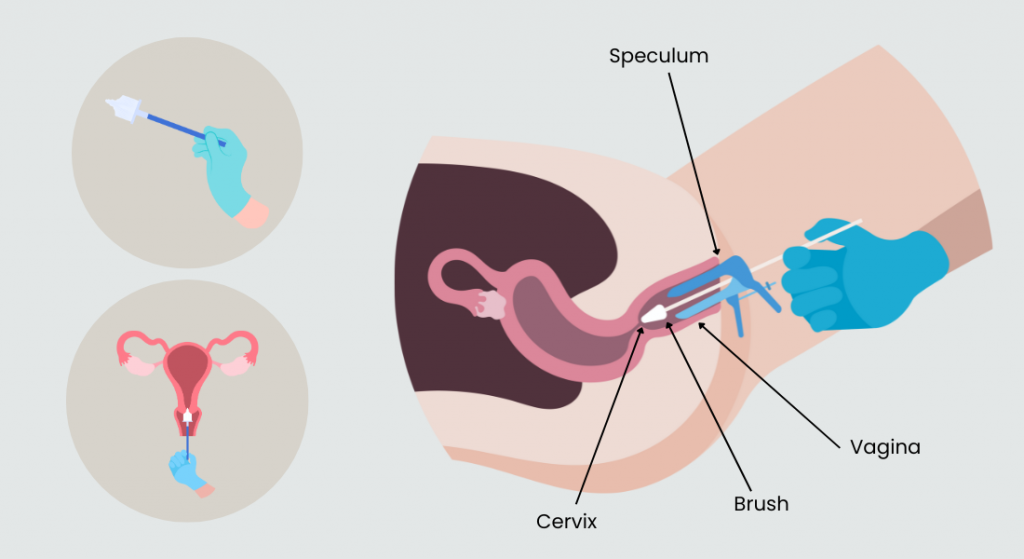
A healthcare provider gently scrapes cells from the cervix using a brush. These cells are examined under a microscope and are used to detect cancer.
(This procedure is not painful, but it’s common to experience brief discomfort/pressure due to the scraping motion)
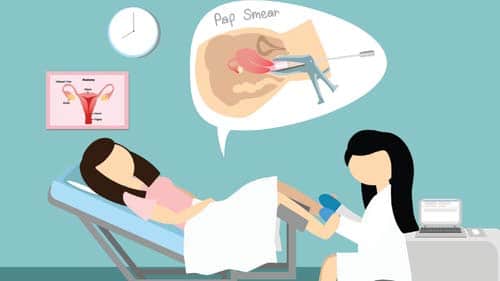
Detects high-risk strains of human papillomavirus (HPV) that can cause cervical cancer. Uses the same sample as the Pap test (often both tests are done at once—called co-testing). The process of collecting the sample is identical to that of a pap smear.